Table of Contents
ToggleHome automation isn’t futuristic fantasy anymore, it’s a practical upgrade that makes daily life easier, safer, and more efficient. Whether you’re looking to cut energy costs, improve security, or just stop fumbling for light switches when your hands are full, smart home tech delivers real results. And unlike a few years ago, installation doesn’t require a computer science degree or a contractor’s budget. Most systems now use straightforward wireless protocols, plug-and-play devices, and smartphone apps that walk you through setup. The benefits go well beyond convenience, from lower utility bills to higher resale value, and the technology keeps getting more accessible.
Key Takeaways
- Home automation uses connected devices and wireless protocols to control lights, locks, thermostats, and appliances remotely or through preset rules, making it practical and accessible for DIY installation.
- Smart thermostats can reduce heating and cooling costs by 10-23%, while smart plugs and lighting automation eliminate phantom loads and empty-room energy waste, delivering measurable savings on utility bills.
- Home automation strengthens security through doorbell cameras, smart locks with access logs, motion sensors, and integrated systems that coordinate responses to threats like break-ins or smoke detection.
- Homes with smart features like thermostats, security cameras, and keyless entry sell faster and command a premium, with devices recouping 50-80% of their cost at resale.
- Voice control and motion-sensor lighting make home automation life-changing for elderly residents and those with mobility challenges, improving safety and independence without requiring clinical-looking installations.
What Is Home Automation and How Does It Work?
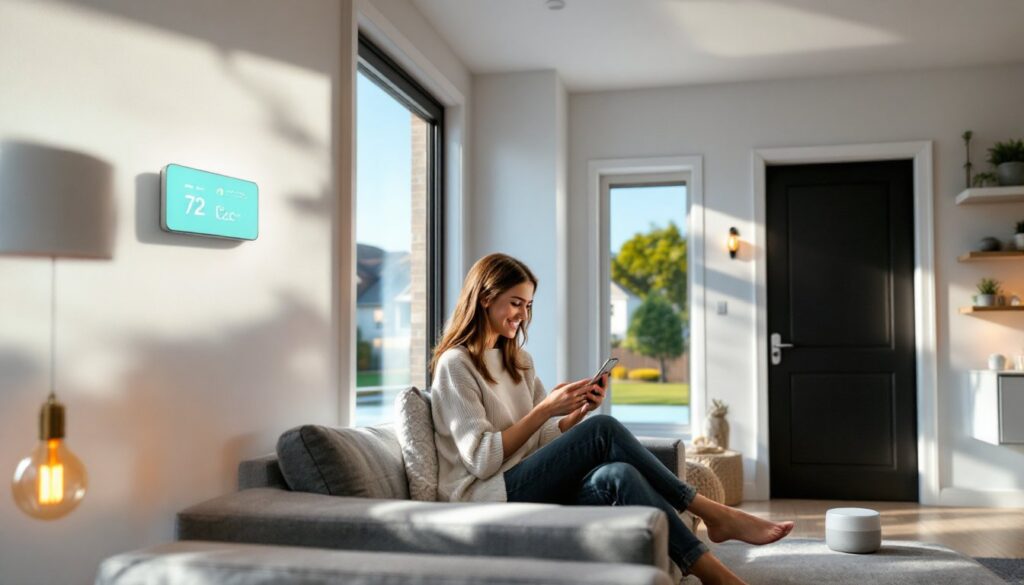
Home automation uses connected devices, sensors, switches, cameras, thermostats, and more, to control functions in your house remotely or through pre-set rules. These devices communicate over your home network using protocols like Wi-Fi, Zigbee, Z-Wave, or Thread. A central hub or app coordinates everything, letting you control lights, locks, HVAC, and appliances from your phone or with voice commands.
Most modern systems don’t require hardwiring. Devices like smart plugs, battery-powered sensors, and wireless switches install in minutes. Some systems integrate with voice assistants (Alexa, Google Assistant, Apple HomeKit) for hands-free control. Others use automation routines, if this happens, do that, so your home responds to triggers like time of day, motion detection, or door status.
You don’t need to automate everything at once. Start with one or two devices, a smart thermostat or a couple of smart bulbs, and expand as you see what works. Most platforms are modular, so you can add devices from different manufacturers as long as they support the same protocol. That flexibility is key for DIYers who want control without vendor lock-in.
Keep in mind: network reliability matters. If your Wi-Fi goes down, some functions may be unavailable unless devices have local control options. Plan for a robust home network, mesh routers help if you have dead zones, and consider devices that offer manual overrides.
Enhanced Convenience and Time Savings
The most immediate benefit is sheer convenience. Forgot to turn off the garage lights? Do it from the car. Need to unlock the front door for a delivery? Tap your phone. Want the house warm when you get home from work? Schedule your thermostat.
Automation routines take it further. A “Good Morning” scene can turn on the coffee maker, raise the blinds, and adjust the thermostat, all triggered by your alarm or a single voice command. A “Goodnight” routine locks doors, shuts off lights, and arms security cameras. These stacked actions save dozens of small trips around the house each week.
Smart lighting is a gateway automation for many DIYers. Motion sensors in hallways and closets mean lights turn on only when needed, and turn off automatically when you leave. Smart bulbs and switches now offer scheduling, dimming, and color temperature control that mimics natural daylight, which can improve focus and sleep patterns.
For anyone juggling kids, pets, or a busy schedule, home automation reduces mental load. You’re not constantly wondering if you left the iron on or the back door unlocked. A quick glance at your phone gives you the answer, and the ability to fix it remotely if needed.
Improved Energy Efficiency and Lower Utility Bills
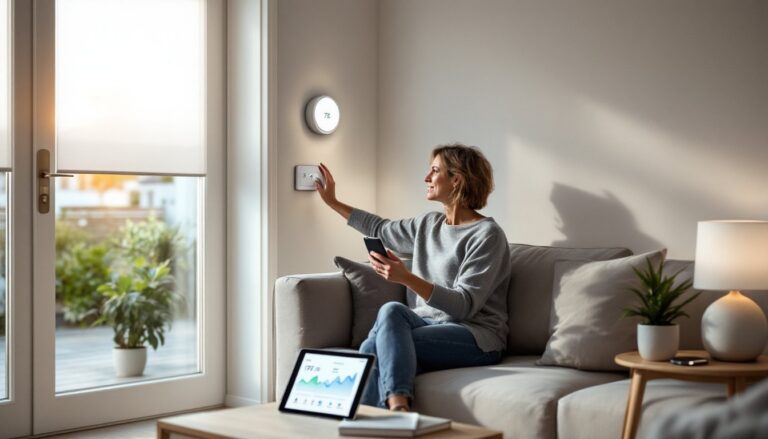
Smart thermostats like the Nest Learning Thermostat or Ecobee SmartThermostat can cut heating and cooling costs by 10-23%, according to multiple field studies. They learn your schedule, adjust temperatures when you’re away, and provide usage reports so you can spot waste.
Smart plugs and power strips let you kill phantom loads, the energy devices draw even when “off.” Plug your TV, cable box, or gaming console into a smart outlet and schedule it to cut power overnight or when you’re at work. Over a year, that adds up.
Lighting automation also trims electric bills. Motion sensors and timers ensure lights aren’t left on in empty rooms. Dimming bulbs to 75% brightness can extend LED lifespan and reduce energy use without noticeable loss of light quality. Some connected home systems integrate with solar panels and battery storage to optimize when you draw from the grid versus your own supply.
Smart water monitors detect leaks in real time, which can prevent catastrophic damage and wasted water. A slow leak under a sink might waste hundreds of gallons a month before you notice, sensors catch it immediately and send an alert.
One caveat: the devices themselves draw a small amount of power. But the net savings, especially on HVAC, far outweigh the standby consumption of a few smart switches and sensors.
Strengthened Home Security and Peace of Mind
Smart security systems give you visibility and control wherever you are. Doorbell cameras let you see and speak to visitors remotely, useful for deliveries or deterring porch pirates. Motion-activated floodlights and cameras record activity and send instant alerts to your phone.
Smart locks eliminate the worry of lost keys and let you grant temporary access codes for houseguests, contractors, or pet sitters. You can see a log of who unlocked the door and when. Some locks integrate with alarm systems to auto-lock when you arm the system or unlock automatically when you arrive home (using geofencing).
Window and door sensors trigger alerts if opened unexpectedly. Glass-break sensors detect the sound of breaking glass. When paired with smart home security devices, these sensors can automatically turn on lights, sound alarms, or start recording video when a breach is detected.
Integration is a big advantage. If a smoke detector goes off, your system can unlock doors, turn on pathway lights, and send alerts to your phone and local emergency contacts. That kind of coordinated response can save lives.
DIY installation is possible for most security devices, but double-check local codes. Some jurisdictions require permits for alarm systems or have rules about camera placement (especially if they capture public sidewalks or neighbor’s property). And if you’re routing low-voltage wiring for cameras, follow NEC Article 725 guidelines for Class 2 circuits.
Increased Property Value and Market Appeal
Homes with automation features sell faster and often command a premium. A 2025 survey by the National Association of Realtors found that smart thermostats, security cameras, and keyless entry systems were among the top features buyers actively searched for.
Smart upgrades appeal especially to younger buyers who expect connected tech as standard. A home with integrated lighting, climate control, and security feels move-in ready and modern compared to one without.
The return on investment varies by device type. Smart thermostats and security systems typically recoup 50-80% of their cost at resale. Lighting and blinds automation add curb appeal but may not show the same direct ROI, think of them as value-adds that help your home stand out in a competitive market.
If you’re planning to sell, leave the automation gear in place and highlight it in your listing. Include manuals, login credentials (reset for the new owner), and a simple guide to the system. Many buyers won’t know how to set up smart devices from scratch, so a working system is a selling point.
For those considering home automation installation, start with devices that have broad appeal and are easy to use. Overly complex or proprietary systems can be a turnoff if the next owner can’t figure them out.
Accessibility and Independence for All Ages
Home automation can be life-changing for elderly residents or anyone with mobility challenges. Voice control means lights, locks, and thermostats can be operated without reaching switches or fumbling with keys. Smart door locks and garage openers let family members check in or grant access to caregivers remotely.
Motion-sensor lighting in hallways, bathrooms, and staircases reduces fall risk at night. Some systems integrate with medical alert devices to send notifications if unusual activity, or lack of activity, is detected.
Smart appliances like ovens with auto-shutoff timers and leak detectors provide an extra layer of safety for those who might forget to turn off the stove or notice a dripping pipe. Video doorbells let residents screen visitors without opening the door or even getting up from a chair.
For parents of young kids, automation offers different benefits: remote monitoring with cameras, child-safe smart locks that can’t be opened from inside without a code, and outlet covers that can be controlled via app. Some DIY automation setups allow you to lock down certain devices or routines during specific hours, like disabling the TV after bedtime.
Accessibility features don’t have to look clinical. Most smart devices blend into standard home decor. And as voice assistants improve, the technology becomes even more intuitive for users of all ages and abilities.
Conclusion
Home automation delivers measurable benefits, lower energy bills, stronger security, and day-to-day convenience, without requiring a complete renovation. The technology is more affordable and DIY-friendly than ever, and it scales to fit any budget or comfort level. Whether installing a single smart thermostat or building a whole-home system, the improvements pay off in comfort, safety, and long-term value. Start small, expand as you learn, and enjoy a home that works smarter, not harder.