Table of Contents
ToggleSpace constraints don’t mean sacrificing convenience. A 33 inch side by side refrigerator offers full-featured cooling in a compact footprint, perfect for smaller kitchens, urban apartments, or renovation projects where every inch matters. Unlike traditional models that can stretch to 36 inches or wider, these slimmer units fit tighter spaces while delivering the dual-access layout that makes side-by-sides popular. Whether you’re replacing an old fridge in a galley kitchen or planning a remodel with narrow clearances, understanding what these models offer, and what trade-offs they require, helps you make the right call.
Key Takeaways
- A 33 inch side by side refrigerator fits snugly in compact kitchens and older homes while delivering full-height dual-access to frozen and fresh food compartments.
- Interior capacity typically ranges from 20 to 24 cubic feet, sufficient for 3-4 person households, but requires strategic organization due to narrower shelf depth.
- Energy Star certified 33-inch models consume 600-700 kWh annually, making them more efficient than older units, though side-by-sides use more energy than top-freezer alternatives.
- Proper installation requires a minimum 35-inch opening width with 1-2 inches of rear clearance for airflow, plus careful leveling to ensure doors close automatically.
- The 33-inch width saves $200-$500 compared to standard 36-inch models and leaves adequate space in galley kitchens for passage and cabinet door access.
- Check adjustable shelving, freezer drawer styles, and crisper dimensions before purchasing, as narrower widths sometimes compromise interior storage configurations.
Why Choose a 33 Inch Side by Side Refrigerator?
The 33-inch width hits a sweet spot for homeowners dealing with limited kitchen real estate. Standard side-by-side refrigerators typically measure 36 inches wide, which can be problematic in older homes where cabinet runs and doorways weren’t designed for modern appliances. A three-inch reduction might not sound significant, but it’s often the difference between a fridge that fits and one that requires costly cabinet modification.
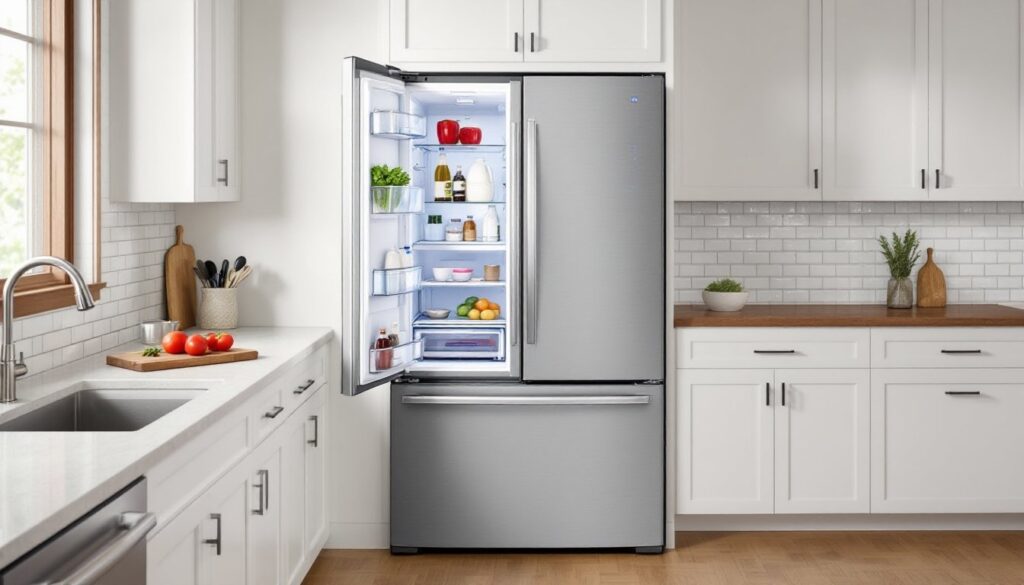
Side-by-side configurations split the refrigerator vertically, freezer on one side, fresh food on the other, giving you full-height access to both compartments without bending down. This layout works well for households that use frozen goods frequently and prefer eye-level organization. Narrow shelves on both sides mean less depth to dig through compared to traditional top-freezer or bottom-freezer models, though you’ll sacrifice space for wider items like pizza boxes or sheet cakes.
These models also fit flush with standard 24-inch-deep countertops when you account for door swing and handles, creating a more integrated look. If you’re working with a galley kitchen or a U-shaped layout where traffic flow matters, the reduced width improves clearance for opening adjacent cabinets and drawers. That’s a practical gain you’ll notice every day.
Key Features to Look for in a 33 Inch Side by Side Fridge
Storage Capacity and Interior Configuration
Total capacity in a 33 inch side by side refrigerator typically ranges from 20 to 24 cubic feet, depending on insulation thickness and door design. That’s enough for most households of three to four people, but you’ll need to be strategic about organization. Look for models with adjustable shelving, tempered glass shelves are sturdiest and easiest to clean, and door bins that can accommodate gallon jugs.
Freezer compartments in these units usually offer 6 to 8 cubic feet of space, divided among wire baskets and door storage. If you bulk-shop or meal-prep, check the number of freezer drawers and whether they’re pull-out style or fixed shelves. Pull-out baskets make it easier to access items at the back without unstacking everything.
Deli drawers and humidity-controlled crispers are standard, but their size and placement vary. Some models sacrifice crisper depth to fit within the narrower cabinet, so measure your typical produce hauls. If you regularly store full heads of lettuce or large celery bunches, confirm interior dimensions before buying. Modern kitchen enthusiasts often turn to resources like The Kitchn for advice on maximizing fridge organization in smaller spaces.
Energy Efficiency and Operating Costs
Look for the Energy Star certification, which indicates the unit meets EPA efficiency standards. Side-by-side refrigerators tend to use more energy than top-freezer models because of the dual-compressor design and larger door surface area, but newer 33-inch models have improved significantly. Expect annual operating costs between $50 and $80 depending on local electricity rates and usage patterns.
Check the estimated yearly energy consumption on the yellow EnergyGuide label, typically listed in kilowatt-hours (kWh). A well-insulated 33-inch model should fall in the 600 to 700 kWh/year range. Anything higher suggests older compressor technology or poor door seals. LED lighting is now standard and draws minimal power compared to incandescent bulbs in older units.
Features like ice makers and water dispensers add convenience but increase energy draw by about 10-15%. If you don’t use filtered water regularly, consider a model without the dispenser, you’ll save on both upfront cost and long-term electricity. Some manufacturers also offer vacation modes that reduce cooling when you’re away, a nice touch if you travel frequently.
Installation Considerations for 33 Inch Models
Before ordering, measure the rough opening where the fridge will sit. You need the full width plus clearance for door swing and ventilation. Most manufacturers recommend at least 1 inch of clearance on each side and 1 to 2 inches at the back for airflow. If your space is exactly 33 inches, the unit won’t fit, you’ll need a minimum 35-inch opening to accommodate the fridge body and necessary gaps.
Don’t forget to measure doorways and hallways along the delivery path. A 33-inch fridge is easier to maneuver than a 36-inch model, but you still need to account for door swing and any tight corners. If you’re replacing an existing unit in a built-in alcove, check whether the old fridge was installed before surrounding cabinetry. Some kitchens were literally built around the appliance, making removal tricky.
Electrical requirements are straightforward, most units run on a standard 115V, 15-amp circuit. If you’re adding a water line for an ice maker, you’ll need a 1/4-inch copper or braided stainless supply line tapped from the nearest cold water pipe. This isn’t a complex DIY job, but it does require a saddle valve or compression fitting and basic plumbing skills. If you’re not comfortable soldering or working with water lines under pressure, hire a plumber. A botched connection can cause slow leaks that damage flooring and cabinetry over time.
Built-in refrigerator installations often integrate custom panels, and reviewing options from sources like Good Housekeeping’s built-in refrigerator roundup can provide insight into how professional finishes affect both cost and visual integration.
Leveling is critical. Use a 4-foot level and adjust the front leveling legs until the fridge tilts slightly backward, about 1/4 inch over the depth of the unit. This ensures doors swing closed on their own and prevents water from pooling in the ice maker or condensation tray. Most models have adjustable legs accessible from the front bottom: use a wrench or the provided tool to dial in the height.
Top Benefits of the 33 Inch Width for Smaller Kitchens
The narrower profile opens up design options that wouldn’t work with a standard-width appliance. In a galley kitchen with less than 48 inches between opposing counters, a 33-inch model leaves enough room for two people to pass comfortably or for cabinet doors to open without collision. That’s a daily quality-of-life improvement you can’t get from a spec sheet.
Replacement projects also benefit from the compact width. Older homes often have 30 to 33-inch cabinet openings that were standard decades ago. Upgrading to a modern side-by-side without ripping out cabinetry saves thousands in renovation costs. You maintain the layout, replace the appliance, and gain modern features like digital temperature controls and spill-proof shelving.
These units work especially well in apartment kitchens, condos, and townhomes where space is at a premium but functionality can’t be sacrificed. The side-by-side layout maximizes vertical storage, so you’re not losing capacity just because the fridge is narrower. In fact, many users find the organization easier because shelves are shallower and items don’t get lost in the back.
If you’re coordinating with other appliances, the 33-inch width pairs well with a standard 30-inch range and a 24-inch dishwasher, creating a balanced appliance wall without awkward filler panels. That coherence matters both functionally and aesthetically. For broader ideas on making the most of compact kitchen layouts, home improvement enthusiasts often browse The Spruce for practical design tips and appliance placement strategies.
Finally, these models often cost $200 to $500 less than their 36-inch counterparts with similar features. Manufacturers use slightly less material, and the market for compact appliances is competitive. If budget is a concern, the 33-inch category delivers excellent value without feeling like a compromise.
Conclusion
A 33 inch side by side refrigerator isn’t a scaled-down version of a full-size model, it’s a purpose-built solution for kitchens where space dictates smart choices. Measure carefully, prioritize features that match your household’s habits, and don’t skimp on ventilation clearances during installation. Done right, a compact side-by-side delivers years of reliable cooling without the footprint headaches of bulkier units.