Table of Contents
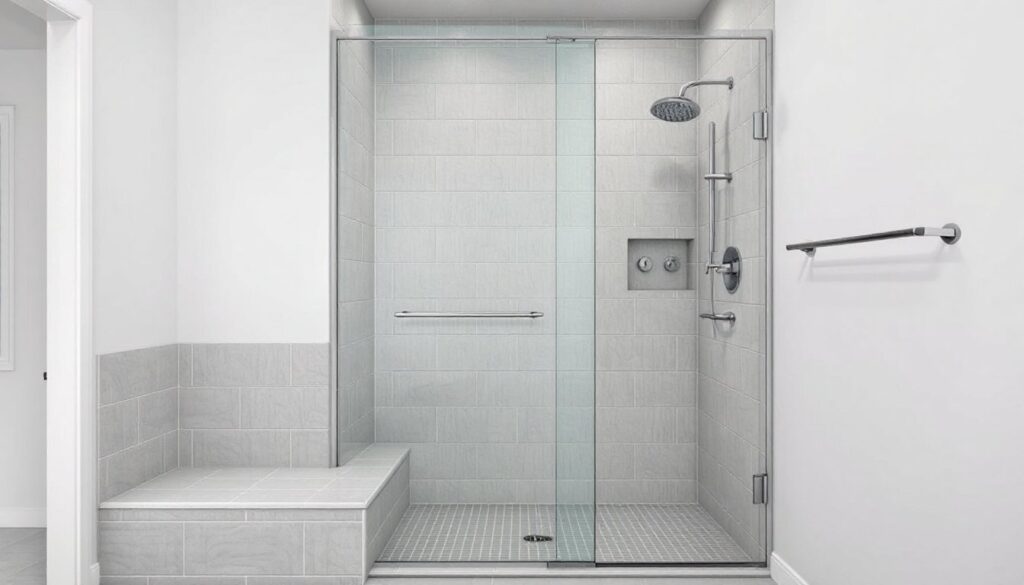
ToggleA 5 foot walk in shower with a built-in seat transforms any bathroom into a more functional and accessible space. This dimension, typically 60 inches wide by 30 to 36 inches deep, offers enough room for comfortable movement, safety features, and a permanent seating area without feeling cramped. Whether planning a bathroom remodel for aging-in-place needs, recovering from surgery, or simply adding luxury and convenience, a 5 foot shower footprint is one of the most versatile layouts homeowners can install. It’s large enough to include modern amenities like rainfall heads and body jets, yet still fits in most standard tub alcoves.
Key Takeaways
- A 5 foot walk in shower with seat fits standard bathroom alcoves (60 inches wide by 30–36 inches deep) and meets ADA accessibility requirements while supporting practical amenities like rainfall showerheads and body jets.
- Built-in tile benches, fold-down wall-mount seats, and transfer benches each offer different benefits—choose based on user mobility, height, and whether permanent or temporary seating is needed.
- Proper waterproofing with a pan liner, topical membrane, and correct floor slope (1/4 inch per foot) are non-negotiable to prevent mold and structural damage in your walk in shower.
- Professional installation costs $3,000–$8,000 in labor, while DIY materials range from $2,500–$5,000 depending on tile selection, fixtures, and door style; budget an extra 10–15% for unexpected issues.
- Plan grab bars, valve placement (48 inches high), showerhead height (72–78 inches), and ventilation (minimum 50 CFM) during the rough-in phase to ensure accessibility, safety, and code compliance.
Why a 5 Foot Walk In Shower With Seat Is Perfect for Your Bathroom
The 5 foot dimension, usually 60 inches in width, aligns with the standard bathtub alcove footprint, making it ideal for tub-to-shower conversions without major structural changes. This size provides enough clearance for ADA-compliant design (minimum 30 x 60 inches), while leaving room for a fold-down or built-in seat, grab bars, and a comfortable turning radius for wheelchairs or walkers.
A built-in seat isn’t just for accessibility. It’s practical for shaving legs, washing feet, rinsing children, or simply enjoying a steam without standing the entire time. For multi-generational households, it future-proofs the bathroom, eliminating the need for costly retrofits down the line.
From a resale perspective, walk-in showers with seating appeal to a broad range of buyers. Older adults prioritize safety and ease of use, while younger buyers see them as spa-like upgrades. Including a seat signals thoughtful design rather than a bare-bones retrofit.
Design Options for Your 5 Foot Shower Space
A 5 foot shower can be configured in several layouts depending on plumbing location and door placement. The most common is a single-threshold layout with the door on the narrow 30- or 36-inch end, leaving the 60-inch wall open for the showerhead and seat. Alternatively, a corner entry with neo-angle or pivot door maximizes interior space and works well in smaller bathrooms.
For tile choices, larger format tiles (12 x 24 inches or bigger) reduce grout lines and create a cleaner, more modern look. Porcelain and ceramic remain the workhorses, durable, slip-resistant when textured, and available in endless styles. Natural stone like slate or travertine adds character but requires sealing and more maintenance. Avoid polished marble or glossy tiles on the floor: opt for matte or textured finishes rated for wet areas.
Wall panels are a faster, grout-free alternative. Solid surface panels (such as Corian or similar acrylic composites) and fiberglass-reinforced plastic (FRP) install over moisture-resistant drywall or cement board and eliminate most tile labor. They’re not as customizable as tile, but they’re low-maintenance and watertight when seams are properly caulked.
Choosing the Right Seat for Your Walk In Shower
Shower seats come in three main types: built-in tile benches, fold-down wall-mount seats, and freestanding transfer benches.
Built-in benches are typically 17 to 19 inches high (standard chair height) and 15 to 20 inches deep. They’re framed during the rough-in phase using 2×4 or 2×6 lumber or prefab foam bench kits, then waterproofed and tiled to match the shower walls. These look seamless and support heavy weight, but they’re permanent and take up floor space.
Fold-down seats mount to blocking (2×10 or 2×12 between studs) and swing up when not in use, freeing up space. Look for models rated to 300+ pounds and made from teak, phenolic resin, or powder-coated aluminum. Installation requires hitting solid blocking, drywall anchors won’t cut it. Mark stud or blocking locations during framing or add blocking before closing up walls.
Transfer benches span the threshold and allow users to sit outside the shower and slide in. These are adjustable and removable, making them ideal for temporary mobility issues or rental properties. But, they don’t integrate into the design and can be tripping hazards.
Consider the user’s height, mobility level, and whether they’ll need armrests or back support when selecting a seat style.
Essential Planning and Layout Considerations
Before demolition, confirm the existing floor can handle a tile shower’s weight. A standard mortar bed and tile floor can add 15 to 20 pounds per square foot. If the bathroom is on a second story with questionable joist spacing (more than 16 inches on center), consult a structural engineer or contractor.
Shower rough-in typically places the valve at 48 inches above the finished floor (adjust for seated users if needed) and the showerhead at 72 to 78 inches. If adding a handheld sprayer or body jets, plan those during the plumbing phase, they require additional supply lines and valves. Slope the shower floor 1/4 inch per foot toward the drain to prevent standing water.
Slope and waterproofing are non-negotiable. Use a pre-sloped foam pan or build a mortar bed over a PVC or CPE pan liner. The liner must extend at least 3 inches up each wall, and all seams and penetrations (drain, curb) must be sealed per manufacturer instructions. Over the liner, apply a topical waterproof membrane like RedGard or Kerdi before tile.
Permits are usually required for any work involving plumbing changes, structural modifications, or electrical (if adding lighting or a steam generator). Some jurisdictions require permits even for cosmetic gut-and-replace projects. Check with the local building department before starting. Inspections typically occur after rough plumbing, waterproofing, and before final finishes.
Ventilation is critical. The IRC requires bathrooms to have either a window with at least 3 square feet of openable area or a mechanical fan rated for the room’s cubic footage. For a typical 5×8 foot bathroom with an 8-foot ceiling, a fan rated at least 50 CFM (cubic feet per minute) is standard. Humidity and mold thrive in poorly ventilated showers, especially with seats and niches that trap moisture.
Materials and Features to Include
Shower pan materials break down into three categories: prefab acrylic or fiberglass bases, custom tile over mortar or foam, and solid surface pans. Prefab bases are fast and affordable but limit design flexibility. Custom tile pans allow for exact sizing, curbless entries, and integrated seats, but require skilled labor and careful waterproofing. Many homeowners find resources on home renovation cost guides helpful for comparing material and labor expenses.
Grab bars should be installed on blocking anchored into studs, not surface-mounted with toggle bolts. ADA guidelines recommend bars 33 to 36 inches above the floor. Use stainless steel (grade 304 or 316) for corrosion resistance. Decorative bars in oil-rubbed bronze or matte black are available, but verify they meet ASTM F446 standards for load capacity (250 pounds minimum).
Shower doors for a 5 foot opening typically use a frameless or semi-frameless pivot or sliding design. Frameless doors require 3/8-inch or 1/2-inch tempered glass and sturdy hinges. Sliding doors (bypass style) save space but have tracks that collect soap scum. For true accessibility, a curbless shower with no door, just a fixed glass panel or open entry, is best, though it requires careful floor pitch and sometimes a linear drain.
Valve and trim kits should be pressure-balancing or thermostatic to prevent scalding. Pressure-balancing valves (Type P per ASSE 1016) are code-required in most jurisdictions and adjust water mix if cold supply drops. Thermostatic valves offer finer temperature control and are worth the extra cost for households with children or elderly users. If sourcing design inspiration, many homeowners browse galleries on Houzz to compare fixture styles and finishes.
Built-in niches or corner shelves reduce clutter and eliminate suction-cup caddies. Frame niches between studs (typically 14.5 inches wide for 16-inch on-center framing) and waterproof them the same as walls. Prefab niche boxes simplify installation and ensure proper drainage slope.
Step-by-Step Installation Overview
1. Demo and Rough-In (Days 1–2)
Remove existing tub, tile, drywall, and any rotted framing. Inspect floor joists and subfloor for damage. Install new supply lines, drain, and vent per code. Confirm valve height and showerhead placement before closing walls. Add 2×10 blocking between studs at grab bar and seat locations (typically 33 to 36 inches and 17 to 19 inches above finished floor).
2. Framing and Seat Construction (Day 3)
Frame curb (if not curbless) using 2x4s anchored to the floor and walls. Build seat frame from 2x4s or use a prefab foam seat kit. Ensure seat top slopes slightly (1/8 inch per foot) toward the drain to prevent water pooling.
3. Pan and Waterproofing (Days 4–5)
Install shower pan liner or prefab base. If using mortar, pour pre-slope layer, lay liner, then pour final slope. Install drain assembly per manufacturer specs, clamping ring must compress liner for a watertight seal. Apply topical waterproof membrane to walls, curb, and seat. Let cure per product instructions (usually 24 hours).
4. Tile Installation (Days 6–8)
Start with floor tile, working from drain outward. Use spacers and check slope frequently. Wall tile typically starts at the second row (first row goes on after floor is grouted). Tile seat top and front edge: use bullnose or Schluter trim for exposed edges. Let thin-set cure 24–48 hours.
5. Grouting and Sealing (Day 9)
Grout tile joints with sanded grout (for joints wider than 1/8 inch) or unsanded grout (narrower joints). Use epoxy grout for seat and floor if budget allows, it resists staining and mildew better. Caulk all transitions and corners with 100% silicone caulk (not grout). Let cure 72 hours before use.
6. Fixture and Door Installation (Day 10)
Install valve trim, showerhead, and any accessories. Mount grab bars into blocking with stainless steel screws. Install shower door or panel per manufacturer instructions. Test all plumbing for leaks.
Safety Notes:
Wear safety glasses when cutting tile or using power tools. Use a dust mask or respirator when cutting cement board or mixing mortar. Ensure adequate ventilation when applying adhesives or sealants. A wet saw is the best tool for cutting tile, a grinder works but creates more dust.
Cost Breakdown and Budgeting Tips
A DIY 5 foot walk-in shower with seat typically costs $2,500 to $5,000 in materials, depending on tile choice, fixtures, and door style. Prefab bases and acrylic wall kits run on the lower end: custom tile, frameless glass, and thermostatic valves push toward $5,000+. Professional installation adds $3,000 to $8,000 in labor, with regional variation and complexity (curbless entry, steam features) driving the range. Many remodelers compare estimates and design ideas using platforms like Remodelista for curated product selections.
Material costs (estimates):
- Shower pan or base: $200–$800
- Tile (12 x 24 porcelain, ~50 sq ft at $3–$8/sq ft): $150–$400
- Thin-set, grout, waterproofing: $150–$300
- Valve, trim, and showerhead: $150–$600
- Shower door (semi-frameless): $400–$1,200
- Grab bars and seat hardware: $100–$300
- Blocking, cement board, framing lumber: $100–$200
Ways to control costs:
- Use large-format tiles to reduce labor and grout maintenance.
- Choose a quality mid-range valve (Moen, Delta) over luxury brands, internals are often similar.
- Install a prefab pan instead of custom tile if the footprint fits.
- Handle demo and prep yourself: hire pros for plumbing, waterproofing, and tile if you lack experience.
- Buy during off-season sales (late winter, early spring) for tile and fixtures.
Budget an extra 10 to 15% for unexpected issues: rotted subfloor, outdated plumbing that doesn’t meet code, or additional blocking needs. Contractors typically include contingency, but DIYers often underestimate material waste and tool purchases (wet saw rental, trowels, levels).