Table of Contents
ToggleCaraway cookware has become a popular choice for home cooks who want nontoxic ceramic-coated pans that perform well and look good on the stovetop. But when cleanup rolls around, many owners wonder whether they can toss these pans in the dishwasher or if hand washing is the only option. The short answer: Caraway pans are technically dishwasher safe, but the company strongly recommends hand washing to preserve the ceramic nonstick coating and extend the pan’s lifespan. Understanding why that distinction matters, and what happens if you ignore the recommendation, can save you from replacing your cookware sooner than necessary.
Key Takeaways
- Caraway pans are technically dishwasher safe but hand washing is strongly recommended to preserve the ceramic nonstick coating and extend their lifespan.
- Repeated dishwasher cycles using high heat, harsh detergents, and abrasive water jets gradually wear down the ceramic coating’s nonstick properties and reduce performance over time.
- Hand washing Caraway cookware with warm water, a soft sponge, and mild dish soap takes less than five minutes and maintains the pan’s nonstick surface in top condition for years.
- Avoid abrasive scrubbers, cooking sprays, and thermal shock when cleaning—instead use gentle methods and let pans cool before washing to protect the delicate ceramic layer.
- With consistent hand washing and proper care, Caraway pans deliver reliable nonstick performance for three to five years, making hand maintenance a worthwhile investment for premium cookware.
Understanding Caraway Cookware’s Dishwasher Compatibility
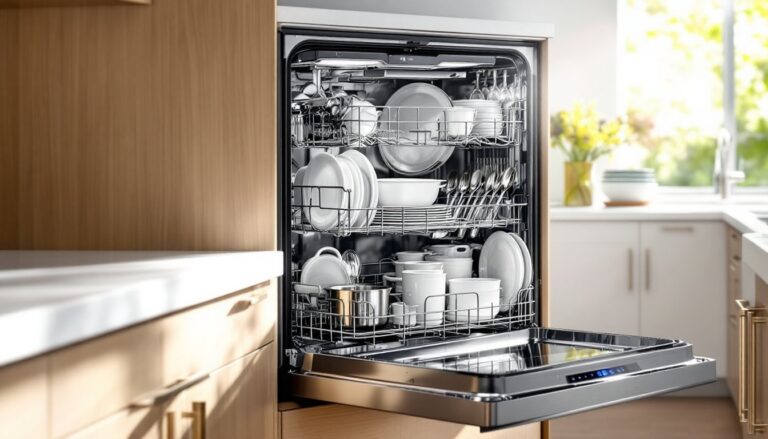
Caraway clearly states that their pans are dishwasher safe, meaning the materials can withstand the heat, detergent, and spray cycles without immediate damage. The ceramic nonstick coating won’t peel off after one wash, and the aluminum core won’t warp from a standard dishwasher cycle.
But, “dishwasher safe” doesn’t mean “dishwasher recommended.” The company’s care instructions emphasize hand washing as the preferred method, and for good reason. Dishwashers use high heat, harsh detergents, and abrasive water jets that can gradually wear down the ceramic coating’s nonstick properties. Over time, repeated dishwasher cycles can dull the finish, reduce nonstick performance, and shorten the pan’s usable life.
This distinction is important for anyone investing in Caraway cookware, which sits in the premium price range for ceramic nonstick pans. While the pans can technically survive a dishwasher, doing so regularly undermines the coating’s durability and defeats the purpose of buying quality cookware in the first place. Knowing this upfront helps set realistic expectations for care and maintenance.
Why Hand Washing Is Recommended for Caraway Pans
Ceramic nonstick coatings are more delicate than traditional Teflon-style PTFE coatings or bare stainless steel. While Caraway’s coating is durable enough for daily cooking, it benefits from gentler cleaning methods that preserve the slick surface.
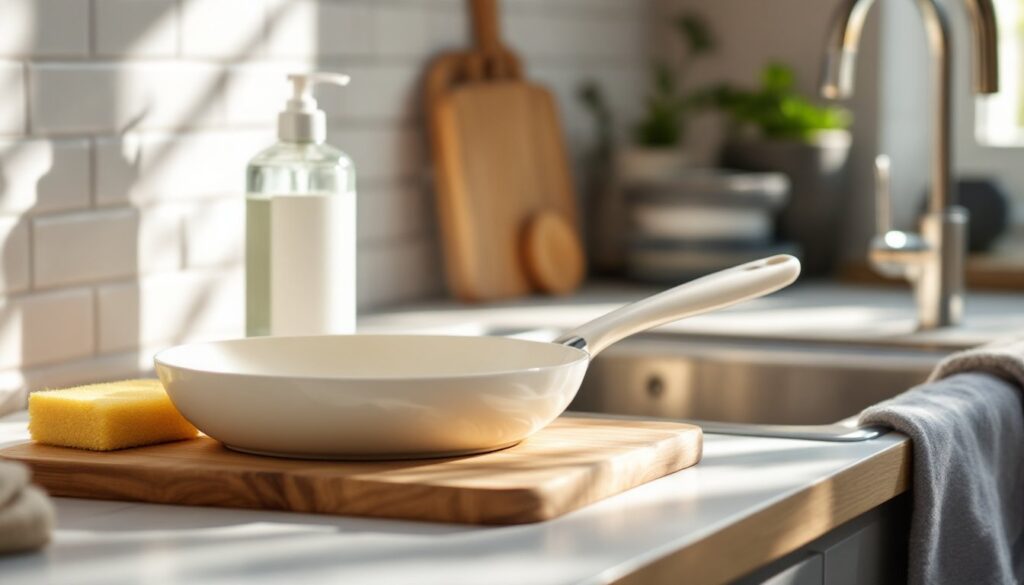
Hand washing with warm water, a soft sponge, and mild dish soap removes food residue without subjecting the pan to the aggressive environment inside a dishwasher. It also gives you control over the cleaning process, letting you spot stuck-on bits and address them without relying on a machine’s generic spray pattern.
Another factor: ceramic coatings don’t bond to metal the same way enamel does to cast iron. They’re applied as a sol-gel layer that hardens into a glass-like finish. This finish is tough but not invincible. Hand washing minimizes the mechanical and chemical stress on that layer, helping it stay smooth and nonstick for years.
How Dishwashers Can Affect Your Caraway Pan’s Performance
Dishwashers operate at temperatures between 120°F and 160°F during the wash and rinse cycles, and some models offer “sanitize” modes that push even higher. Combined with alkaline detergents and high-pressure spray, this environment can gradually break down the ceramic coating’s nonstick properties.
The detergent is a particular culprit. Many dishwasher detergents contain enzymes, phosphates, or chlorine bleach designed to tackle baked-on food on dishes and glassware. These chemicals can interact with ceramic coatings, causing micro-abrasions or dulling the surface over time. Testing over extended periods has shown that dishwasher use accelerates wear on ceramic nonstick surfaces, even when manufacturers label pans as dishwasher safe.
Another issue: water spots and mineral buildup. Hard water leaves calcium and magnesium deposits on cookware, especially when subjected to high heat during drying cycles. These spots don’t just look bad, they can create uneven surfaces that reduce nonstick performance and make future cleaning harder.
Finally, dishwashers can cause physical contact between pans and other items in the rack. Even with careful loading, pots, utensils, and plates can shift during the wash cycle, leading to scratches or dings on the ceramic surface. Once the coating is scratched, food is more likely to stick in those areas, and the damage compounds with each use.
Best Practices for Cleaning Caraway Cookware
Proper cleaning doesn’t require special tools or expensive products. A soft sponge, warm water, and standard dish soap handle most cleanup tasks without damaging the ceramic coating.
Avoid abrasive scrubbers like steel wool, scouring pads, or stiff brushes. These can scratch the ceramic surface, creating rough spots where food sticks. If you encounter stuck-on food, soak the pan in warm soapy water for 10–15 minutes before scrubbing. For stubborn residue, a paste of baking soda and water works as a gentle abrasive that won’t harm the coating.
Don’t use cooking sprays. Aerosol cooking sprays contain lecithin and other additives that build up on ceramic surfaces, creating a sticky residue that’s tough to remove. Instead, use a small amount of oil or butter applied with a paper towel or silicone brush.
Let the pan cool before washing. Plunging a hot pan into cold water can cause thermal shock, potentially warping the aluminum core or cracking the ceramic coating. Let the pan cool to room temperature, then wash it by hand.
Step-by-Step Hand Washing Guide
- Let the pan cool completely after cooking. Don’t rinse it while still hot.
- Rinse under warm water to remove loose food particles and oil.
- Apply a few drops of mild dish soap to a soft sponge or cloth. Avoid abrasive pads.
- Gently scrub the interior and exterior in circular motions. For stuck-on food, soak the pan in warm soapy water for 10–15 minutes first.
- Rinse thoroughly with warm water to remove all soap residue.
- Dry immediately with a soft towel. Air drying can leave water spots, especially in areas with hard water.
- Store carefully. If stacking pans, place a soft cloth or paper towel between them to prevent scratches.
This process takes less than five minutes and keeps the ceramic coating in top condition. It’s a small investment of time that pays off in sustained nonstick performance and a longer lifespan for the cookware.
What Happens If You Put Caraway Pans in the Dishwasher?
If you run a Caraway pan through the dishwasher once or twice, you probably won’t notice immediate damage. The ceramic coating is durable enough to survive occasional dishwasher cycles without catastrophic failure.
But over time, repeated dishwasher use leads to gradual degradation. The nonstick surface becomes less slick, requiring more oil or butter to prevent sticking. Food starts to brown unevenly or cling to spots that used to release effortlessly. The pan’s exterior may lose its luster, developing a chalky or dull appearance.
In some cases, dishwasher detergent residue builds up on the ceramic surface, creating a film that reduces nonstick performance. This residue is tough to remove with normal washing and may require a deeper clean with baking soda or a specialized ceramic cookware cleaner.
The most common complaints from users who regularly dishwasher their Caraway pans involve diminished nonstick performance within the first year of use. By contrast, those who hand wash consistently report that their pans maintain good nonstick properties for several years.
If you’ve already put your Caraway pan in the dishwasher a few times, don’t panic. Switch to hand washing going forward, and the coating should stabilize. Just don’t expect the same longevity as pans that were hand washed from day one.
Extending the Life of Your Caraway Pans: Care and Maintenance Tips
Beyond washing, a few other habits can maximize the lifespan of Caraway cookware.
Use low to medium heat. Ceramic nonstick coatings perform best at moderate temperatures. High heat can break down the coating over time and cause discoloration. Most stovetop cooking happens between medium and medium-high heat, which is well within the safe range for Caraway pans.
Choose the right utensils. Wooden, silicone, or nylon utensils are safest for ceramic coatings. Metal spatulas and spoons can scratch the surface, especially if you’re flipping or stirring vigorously. If you do use metal utensils, be gentle and avoid dragging sharp edges across the pan.
Season the pan occasionally. While ceramic coatings don’t require seasoning like cast iron, a light coat of oil can refresh the nonstick surface. After washing and drying, rub a thin layer of vegetable or canola oil over the interior with a paper towel, then wipe off the excess. This can help restore slickness if the pan starts to feel less nonstick.
Avoid extreme temperature changes. Don’t transfer a hot pan directly to a cold surface or run it under cold water. Let it cool naturally to prevent warping or coating damage.
Store properly. If you stack pans, use pan protectors or soft cloths between them to prevent scratches. Hanging storage is even better if you have the space.
With consistent care, Caraway pans can deliver reliable nonstick performance for three to five years or more. That’s a solid return on investment for cookware in this price range, especially compared to cheaper ceramic pans that lose their nonstick properties within a year. Many kitchen organization strategies emphasize proper storage and care routines, and these principles apply just as much to maintaining premium cookware.
If you’re looking for more ways to keep your kitchen tools in top shape, seasonal maintenance routines can help you stay on top of cleaning and care tasks before they become problems. Treating your cookware as a long-term investment rather than a disposable tool makes a real difference in performance and longevity.