Table of Contents
ToggleHome automation isn’t just about flashy gadgets anymore. It’s a practical upgrade that solves everyday problems, from cutting energy bills to giving homeowners remote control over security, lighting, and climate. Whether someone’s planning a whole-house retrofit or starting with a single smart thermostat, understanding the real-world benefits helps prioritize what to install first. This guide breaks down the measurable advantages of home automation, from time savings and lower utility costs to accessibility features that help folks age in place. No fluff, just the facts DIYers and homeowners need to make informed decisions.
Key Takeaways
- Smart thermostats can cut heating and cooling costs by 10–23% annually while learning household patterns to optimize energy use automatically.
- Home automation eliminates repetitive tasks like locking doors, adjusting lights, and controlling temperature through voice commands and automated routines, freeing up hours of time weekly.
- Smart security systems with integrated cameras, locks, and motion sensors provide real-time monitoring and remote access, giving homeowners peace of mind and deterring theft.
- Homes equipped with smart features command higher resale prices and sell faster, with 65% of buyers willing to pay more for properties with home automation already installed.
- Voice-controlled lighting, motorized window shades, and smart locks remove physical barriers for people with mobility challenges, enabling aging in place and greater independence.
Enhanced Convenience and Time Savings
Smart home devices eliminate repetitive tasks that eat up time every week. Voice-activated assistants let homeowners adjust thermostats, lock doors, or turn off lights without getting up, handy when hands are full of groceries or when settling in for the night.
Scheduled automation takes convenience further. A smart coffee maker can start brewing at 6:30 a.m., while motorized blinds open to let in morning light. Smart irrigation controllers adjust watering schedules based on weather forecasts, preventing overwatering and saving trips to manually adjust timers.
For families juggling work and kids, automation routines simplify daily transitions. An “Away” scene triggered by a single button press can lock doors, shut off lights, adjust the thermostat to eco mode, and arm the security system. That’s five separate tasks reduced to one tap on a smartphone or wall-mounted controller.
Integration across devices amplifies these time savings. Instead of managing six different apps for lights, locks, thermostats, cameras, garage doors, and speakers, a unified platform like Samsung SmartThings or Apple HomeKit centralizes control. Homeowners spend less time fiddling with technology and more time using it.
Lower Energy Bills Through Smart Technology
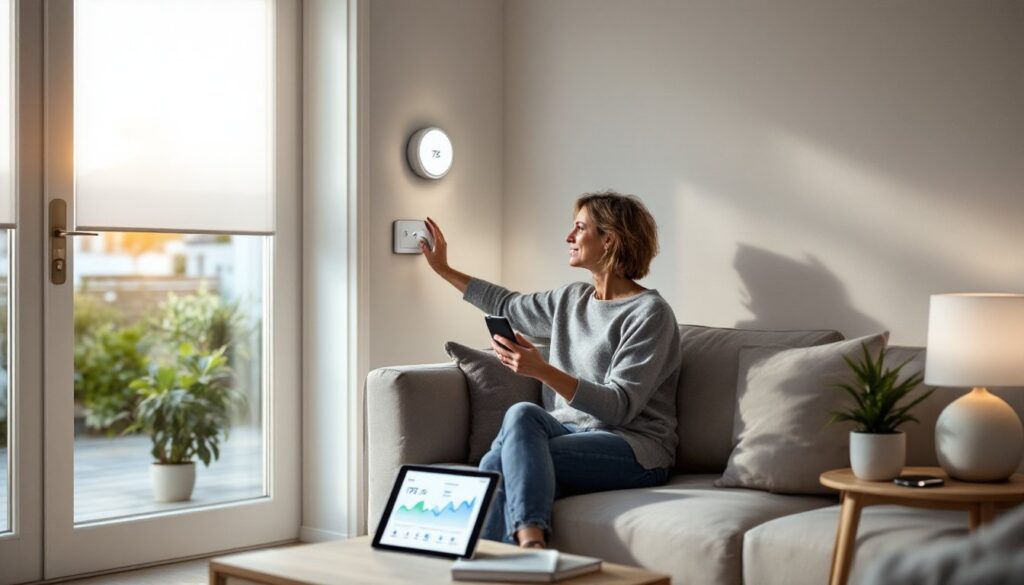
Smart thermostats like the Ecobee SmartThermostat or Google Nest Learning Thermostat can cut heating and cooling costs by 10–23% annually, according to independent studies. These devices learn household patterns, automatically adjusting temperatures when no one’s home and pre-heating or cooling before occupants return.
Smart lighting reduces electricity waste. LED bulbs controlled by motion sensors or schedules ensure lights aren’t left on in empty rooms. Dimming capability extends bulb life and cuts power draw, a 25% reduction in brightness can save roughly 20% of the energy used by that fixture.
Smart plugs monitor phantom loads, the power consumed by devices in standby mode. Electronics like TVs, gaming consoles, and chargers can draw 5–10 watts even when “off.” Automating these plugs to cut power during specific hours reduces monthly energy waste without requiring manual unplugging.
Whole-home energy monitors like Sense or Emporia Vue identify which appliances consume the most electricity. Homeowners can pinpoint energy hogs, an aging refrigerator, inefficient pool pump, or poorly insulated water heater, and prioritize upgrades. Data-driven decisions beat guesswork when trying to lower utility bills.
Regional utility companies sometimes offer rebates for installing smart thermostats or participating in demand-response programs. Check local providers for incentives that offset initial equipment costs.
Improved Home Security and Peace of Mind
Smart security cameras provide real-time video feeds accessible from anywhere. Brands like Arlo, Ring, and Eufy offer models with motion detection, night vision, and two-way audio. Homeowners can verify whether that 3 a.m. noise was a raccoon or an intruder without leaving the bedroom.
Smart locks eliminate hidden spare keys and let homeowners grant temporary access codes to contractors, dog walkers, or guests. Locks like the Schlage Encode or Yale Assure Lock SL log every entry and exit, creating a digital record of who entered and when. If a code is compromised, it’s deleted remotely, no rekeying required.
Integrated systems tie cameras, locks, motion sensors, and alarms together. When a door sensor detects unexpected entry while the system is armed, cameras start recording, lights flash, and the homeowner receives an instant smartphone alert. Some setups even allow remote monitoring and control of multiple security layers from a single app.
Video doorbells let occupants screen visitors before opening the door. Package thieves often scout neighborhoods: visible doorbell cameras deter theft. Recorded footage can also help police identify suspects if theft does occur.
Professional monitoring services integrate with platforms like Ring Alarm or ADT, dispatching emergency responders if sensors trigger and the homeowner doesn’t respond to alerts. This adds a safety net for households with elderly residents or frequent travelers.
Increased Property Value and Market Appeal
Homes equipped with smart technology often command higher sale prices and attract buyers faster. A 2025 survey by the National Association of Realtors found that 65% of buyers are willing to pay more for a home with smart features already installed.
Smart thermostats, security systems, and lighting rank among the most desirable upgrades. Buyers view these as move-in ready conveniences that also promise ongoing savings on utilities and insurance. Insurers sometimes offer discounts, typically 5–20%, for homes with monitored security systems and smart water leak detectors.
Integrated systems installed by professional automation installers carry more weight than piecemeal setups. Whole-home automation that controls HVAC, lighting, shades, audio, and security through a single interface appeals to tech-savvy buyers and those seeking turnkey luxury.
Documentation matters when selling. Providing manuals, warranty info, and a walkthrough of the system helps buyers understand what they’re inheriting. Homes with well-documented smart upgrades appraise higher because the features are verifiable and transferable.
Even modest automation, like installing smart locks, a video doorbell, and a programmable thermostat, positions a home as modern and energy-conscious. In competitive markets, that edge can mean the difference between an offer at asking price and a bidding war.
Accessibility and Aging-in-Place Advantages
Home automation removes physical barriers for people with mobility challenges or age-related limitations. Voice control lets someone with arthritis adjust lighting or temperature without twisting knobs or reaching switches. Devices like Amazon Echo or Google Nest Hub respond to spoken commands, making everyday tasks manageable without assistance.
Automated lighting prevents falls. Motion-activated LED strips along hallways and in bathrooms illuminate paths at night without requiring light switches. Brightness can be set to a comfortable level that guides without jarring someone awake.
Smart locks eliminate fumbling with keys. For seniors with dexterity issues, a keypad or smartphone-activated deadbolt is easier to operate than traditional keyed locks. Caregivers can be granted access codes, allowing them to enter without needing to hide keys or disturb the resident.
Medical alert integration connects sensors to monitoring services. If a motion sensor detects no movement in a bathroom after a set period, or if a bed sensor shows someone hasn’t gotten up by a certain time, alerts notify family or emergency contacts. These systems provide independence while maintaining a safety net.
Motorized window shades and smart plugs reduce the need to bend, reach, or climb. Someone recovering from hip surgery or managing chronic pain can control window coverings and lamps remotely. These features support aging in place, delaying or eliminating the need to move into assisted living.
Customization and Lifestyle Integration
Home automation adapts to individual routines rather than forcing everyone into a one-size-fits-all setup. Personalized scenes let each household member configure lighting, temperature, and entertainment preferences. A “Movie Night” scene might dim lights, close shades, and switch the TV to the preferred streaming service, all triggered by a single voice command or button.
Geofencing uses smartphone location to automate actions. When a homeowner’s phone crosses a defined boundary, say, within half a mile of home, the system can unlock the front door, adjust the thermostat, and turn on exterior lights. This hands-free approach eliminates the need to manually trigger arrival routines.
Multi-room audio systems like Sonos or Denon HEOS let users stream different music to different zones or sync the entire house. Someone cooking in the kitchen can listen to a podcast while another person enjoys a playlist in the garage workshop. Control happens via smartphone, voice assistant, or wall-mounted keypads.
For DIY enthusiasts exploring home automation projects, platforms like Home Assistant or Hubitat Elevation offer deep customization. These systems support complex automations, like triggering a dehumidifier when humidity exceeds 60% or sending alerts if the garage door stays open past 10 p.m. Advanced users can write custom scripts, though pre-built templates handle most common scenarios.
Smart appliances integrate into broader routines. A smart washer can send a notification when a load finishes, preventing mildew from forming in forgotten wet clothes. Smart ovens preheat on command or adjust cooking temps mid-recipe via an app. These aren’t essential upgrades, but they smooth out daily friction points for those who value convenience and connectivity.
Conclusion
Home automation delivers measurable benefits, lower energy bills, stronger security, time savings, and accessibility improvements. Whether someone starts with a DIY smart home kit or hires professionals for a comprehensive Internet of Things setup, the technology adapts to fit different budgets and technical skill levels. Focus on solving specific problems first, unreliable door locks, high cooling costs, or aging parents needing extra safety features, and expand from there.